
Water Treatment Scheduling Tips
Water treatments are essential procedures to improve water quality, remove contaminants, and ensure safe usage for various applications. The timing of these treatments can significantly impact their effectiveness and longevity. Proper scheduling depends on factors such as water source fluctuations, seasonal changes, and specific system requirements.
Water treatments are often most effective when aligned with seasonal changes, such as before summer or winter, to prevent issues like algae growth or freezing.
Regular testing helps determine the best times for treatment, ensuring contaminants are addressed promptly and efficiently.
Scheduling treatments during routine maintenance periods minimizes disruptions and ensures water systems operate optimally.
Environmental conditions influence water quality; treatments may be necessary after heavy rainfall or drought periods.
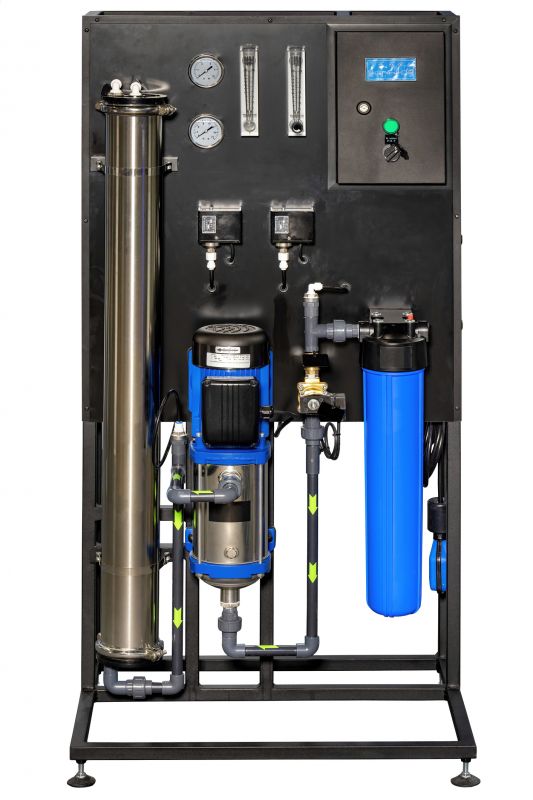
Modern systems utilize advanced filtration and purification technologies to optimize treatment timing.
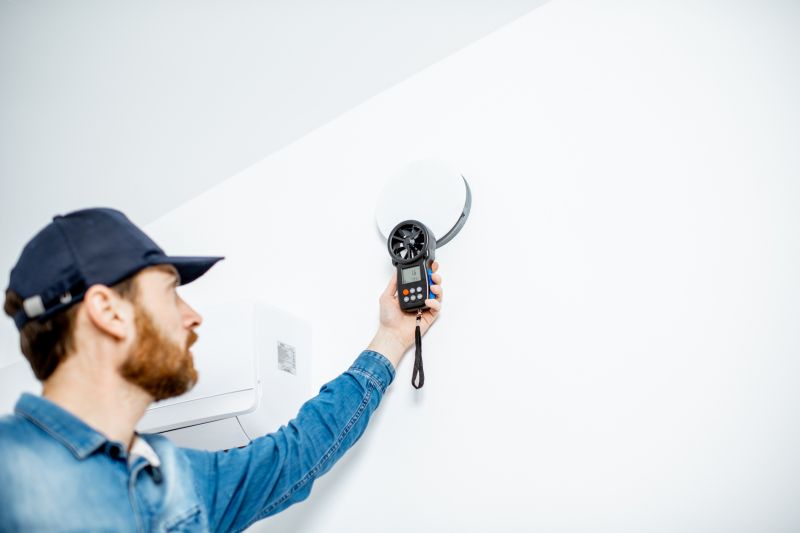
Accurate testing devices help determine the right timing for treatments based on water quality data.
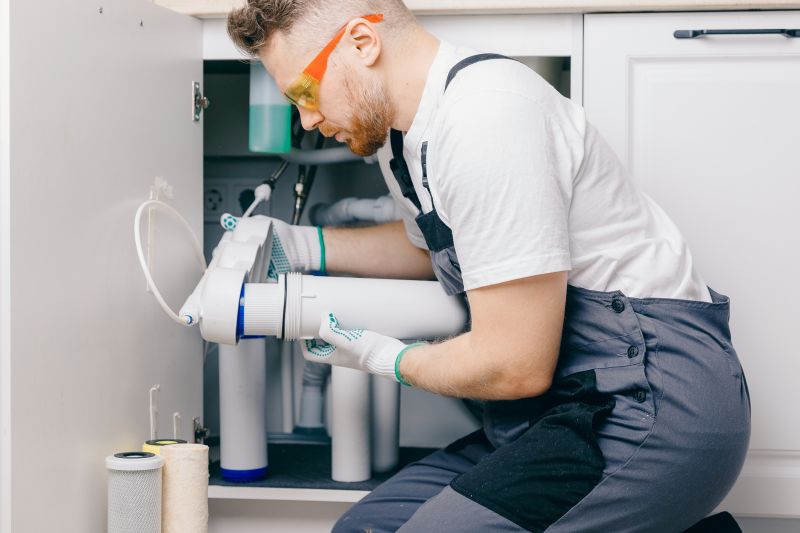
Visual of water treatment in progress, highlighting the importance of scheduled interventions.
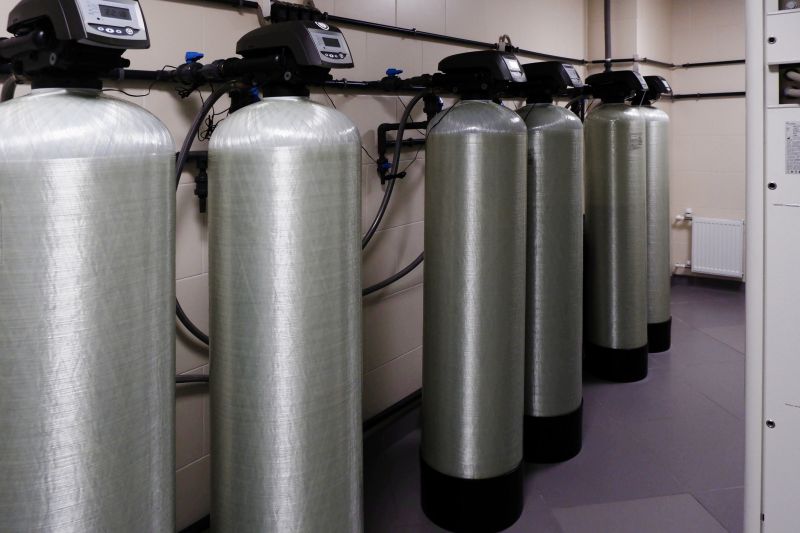
Ways to make Water Treatments work in tight or awkward layouts.
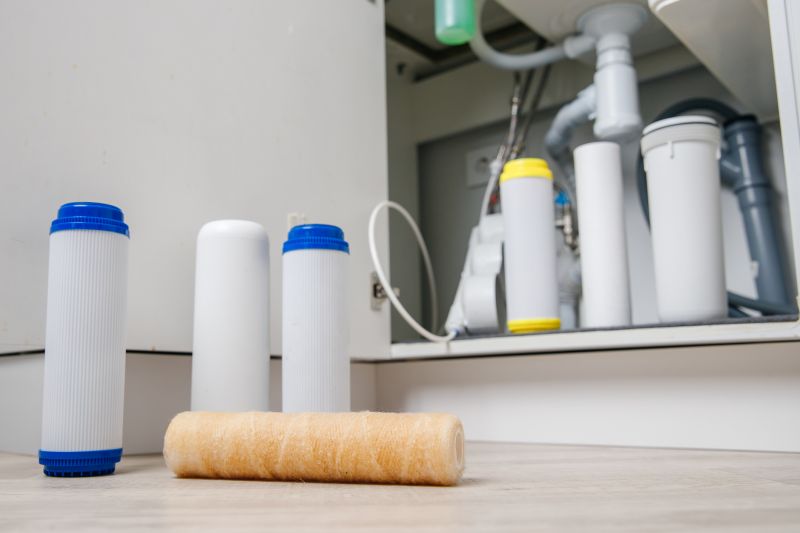
Popular materials for Water Treatments and why they hold up over time.
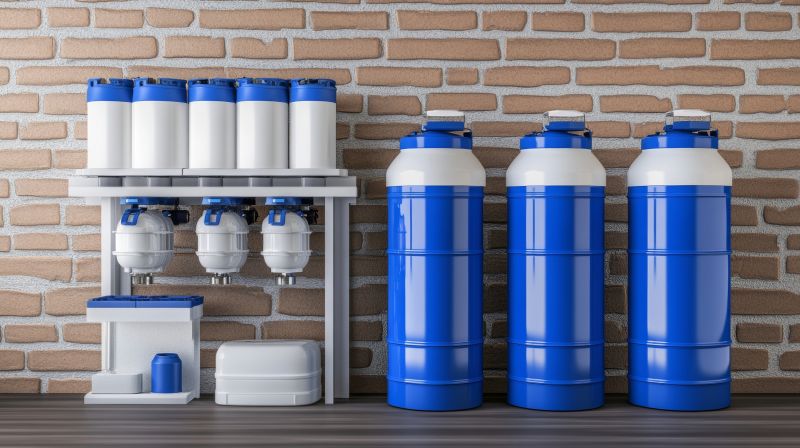
Simple add-ons that improve Water Treatments without blowing the budget.
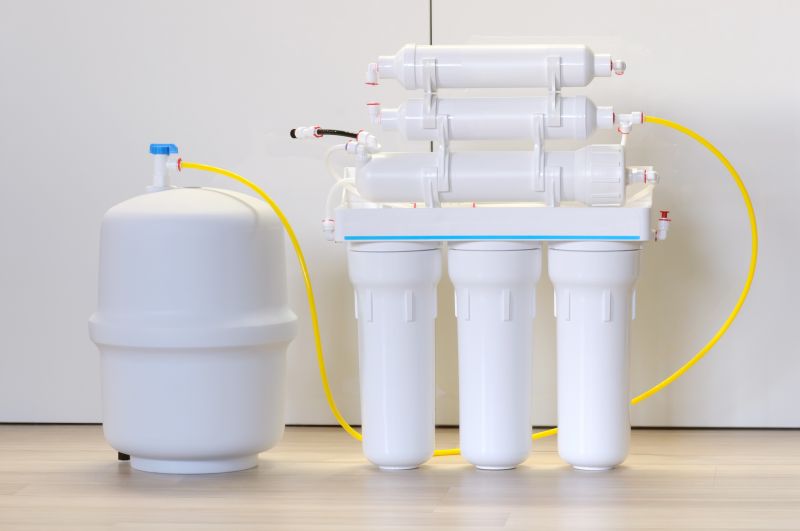
High-end options that actually feel worth it for Water Treatments.
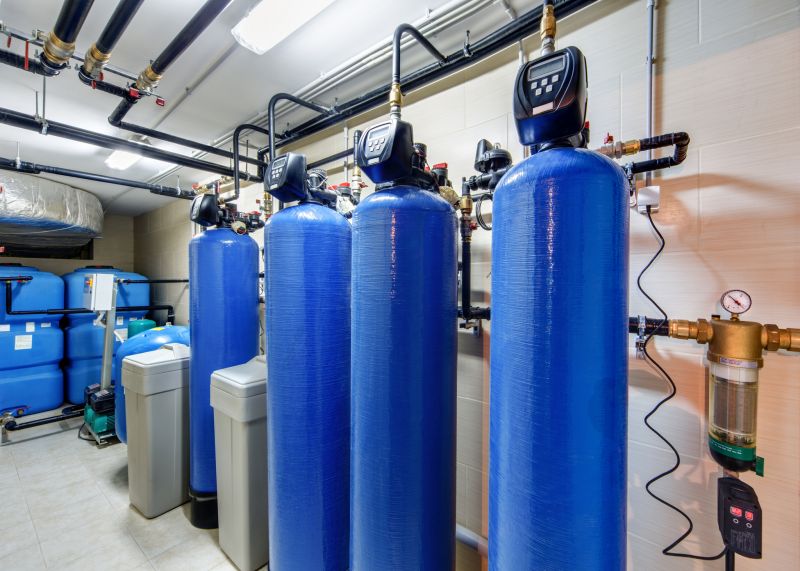
Finishes and colors that play nicely with Water Treatments.
| Best Time for Water Treatments | Key Considerations |
|---|---|
| Pre-Summer | Prevent algae growth and improve water clarity |
| Post-Rainfall | Address increased contaminants and runoff |
| Winterization | Protect plumbing and systems from freezing |
| High Usage Periods | Maintain water quality during peak demand |
| Routine Maintenance | Ensure system efficiency and longevity |
Water treatments are vital for maintaining water quality across residential, commercial, and industrial settings. Proper timing ensures effective removal of impurities, reduces system wear, and prolongs equipment lifespan. Statistics indicate that regular water treatment can reduce contaminant levels by up to 95 percent, significantly improving safety and usability. Seasonal adjustments and continuous monitoring are essential components of an effective water treatment program.
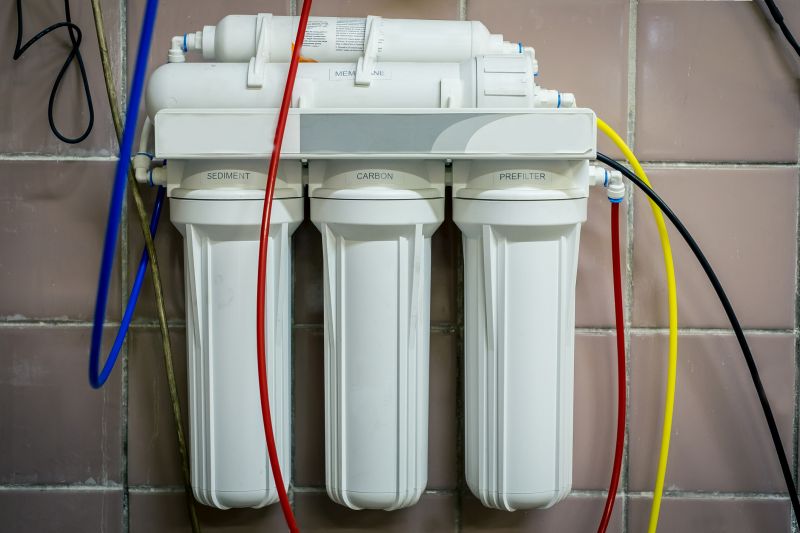
High-capacity filters designed for scheduled maintenance and treatment cycles.
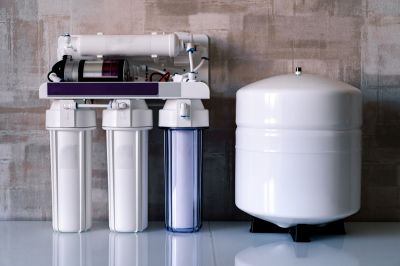
Automated dosing systems that operate based on water quality data.
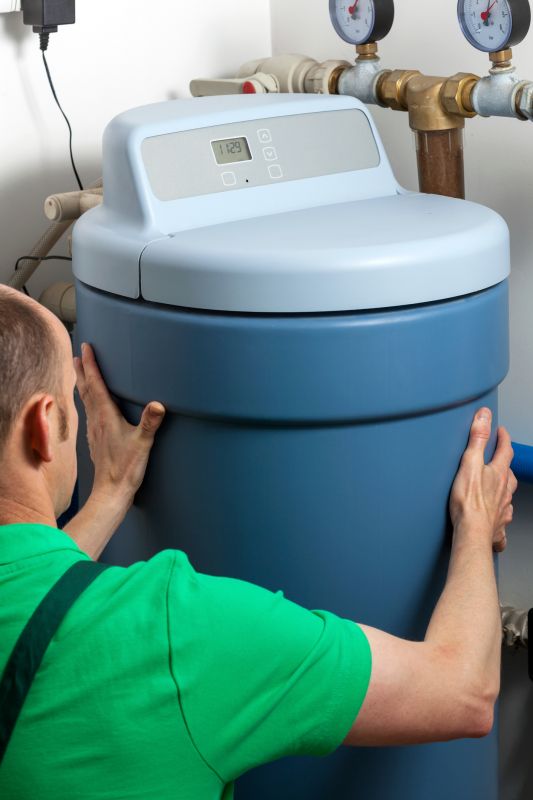
Advanced sensors for real-time monitoring and treatment timing adjustments.
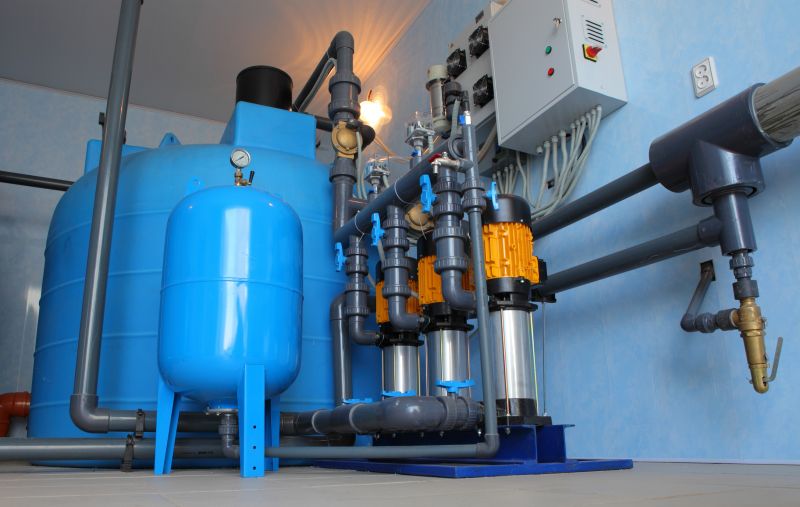
Industrial-scale water treatment plants with scheduled operation protocols.
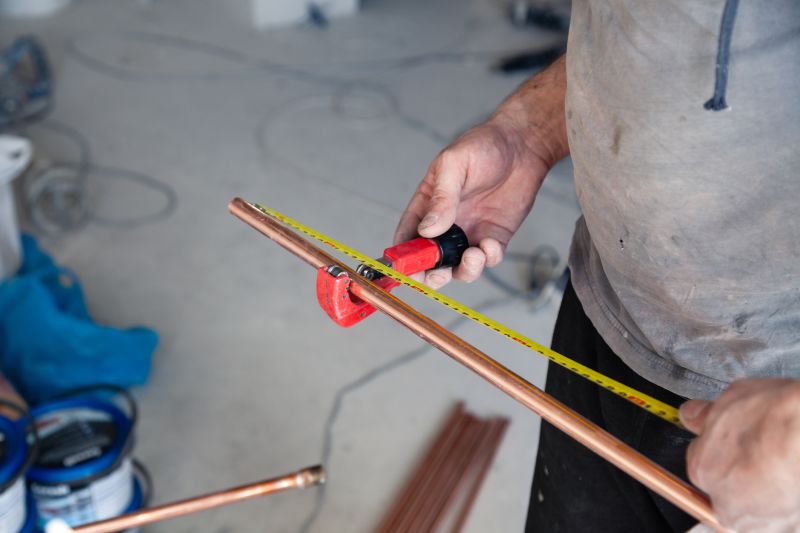
Little measurements that prevent headaches on Water Treatments day.
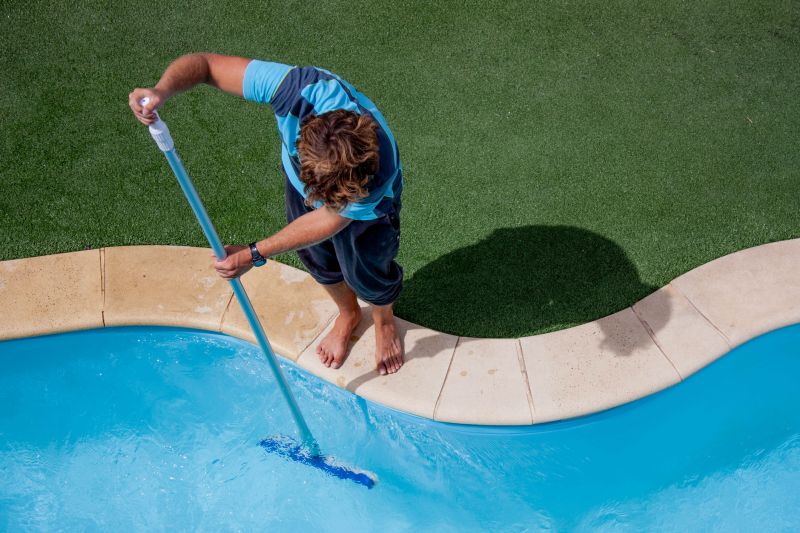
A 60-second routine that keeps Water Treatments looking new.
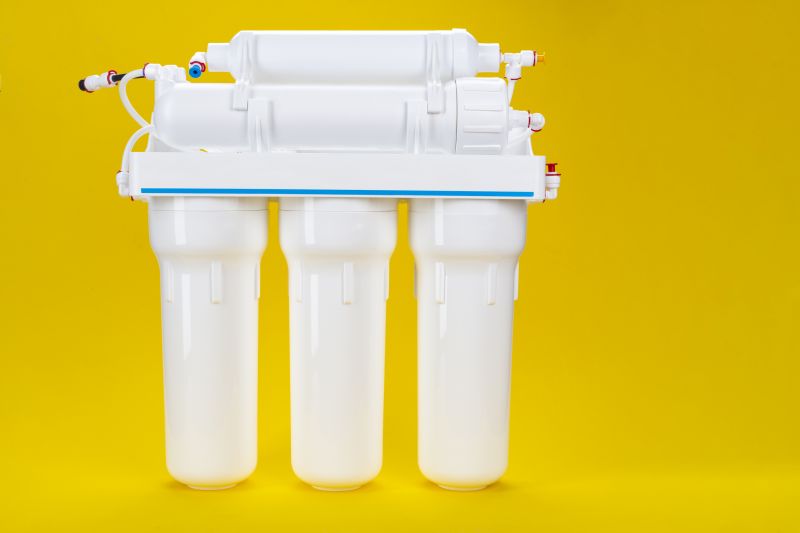
A frequent mistake in Water Treatments and how to dodge it.
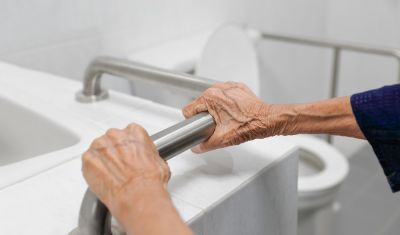
Small tweaks to make Water Treatments safer and easier to use.
Scheduling water treatments appropriately enhances water safety, system efficiency, and cost-effectiveness. Regular assessments and adherence to recommended timing protocols can prevent common issues such as scaling, corrosion, and microbial growth. For property owners and managers in Elk Grove, CA, understanding the optimal timing for water treatments supports long-term water system health and compliance.
Interested in optimizing your water treatment schedule? Fill out the contact form to receive expert guidance tailored to specific needs.